
Your overview of Taiko is already rich and informative—well-structured and comprehensive. Here’s a slightly refined and expanded version for clarity, flow, and depth, ideal for an educational or publication context:
Taiko: The Resonant Heart of Japanese Percussion
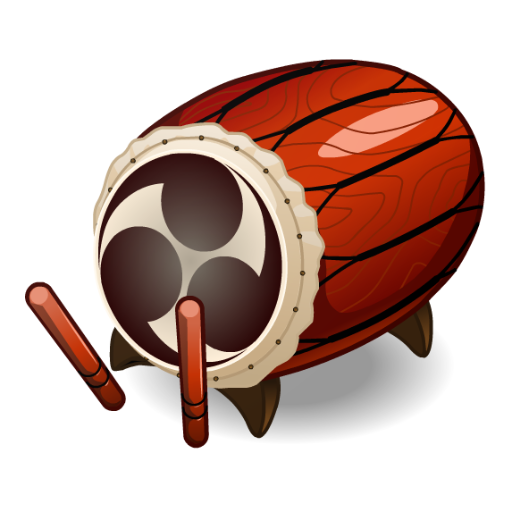
Taiko (太鼓) is a broad term in Japanese that refers to any drum, but internationally, it most commonly denotes wadaiko (和太鼓, "Japanese drums") and the dynamic, ensemble-based performance art known as kumi-daiko (組太鼓, "drum set"). Rooted in centuries of tradition yet continuously evolving, taiko music blends powerful rhythm, theatricality, and cultural expression.
Craftsmanship and Construction
Each taiko drum is a masterpiece of craftsmanship, requiring years of skill and patience. The drum body—typically made from hollowed-out Japanese cedar (sugi), paulownia (kiri), or other hardwoods—is carefully shaped and seasoned. The drumhead, traditionally made from horsehide or cowhide, is stretched over the body and secured with tension ropes (kizuna) or metal hardware. The process of preparing the skin—stretching, drying, and tuning—demands deep knowledge and sensitivity to temperature and humidity, as even slight changes can alter pitch and tone.
Historical and Cultural Origins
While taiko features prominently in Japanese mythology—legendary drums said to have summoned gods or signaled the arrival of the sun—historical evidence traces its arrival in Japan to the 6th century CE, likely through cultural exchange with Korea and China. Some taiko variants bear striking similarities to instruments found in India and Southeast Asia, suggesting broader transcontinental influences.
Archaeological discoveries from the Kofun period (c. 250–538 CE) reveal early forms of taiko used in ritual and ceremonial contexts. Over time, taiko evolved from battlefield instruments and village communication tools to essential elements in Noh, Kabuki, sumo, and seasonal festivals like Gion Matsuri and Obon.
From Ritual to Revolution: The Evolution of Taiko
Taiko has long served as a spiritual and communal instrument—marking sacred occasions, calling warriors to battle, and heralding the seasons. But in the 20th century, taiko underwent a radical transformation.
In 1951, Daihachi Oguchi founded the Ondekoza group in northern Japan, pioneering the modern kumi-daiko movement. He emphasized physical discipline, collective rhythm, and a deep connection to nature and tradition. His work inspired a new generation of performers who saw taiko not just as heritage, but as a vehicle for identity, resistance, and self-expression.
The Kodo ensemble, established in 1981 by former Ondekoza members, became global ambassadors of taiko. With their powerful performances, dynamic choreography, and deep respect for Japanese culture, Kodo brought kumi-daiko to international stages, influencing countless groups worldwide.
Regional Styles and Varieties
Japan’s diverse geography has given rise to distinct regional taiko traditions:
- Kagura-daiko: Used in Shinto rituals, often smaller and more melodic.
- Hachijō-daiko (from Hachijō Island): Known for its fast, intricate rhythms and spiritual significance.
- Sōjō-daiko: Large, deep drums used in festivals and processions.
Modern kumi-daiko ensembles typically feature a mix of drum types:
- Nagadō-daiko: Tall, barrel-shaped drums of varying sizes, providing foundational rhythms.
- Shime-daiko: Smaller, tightly tuned drums used for pitch and precision.
- Ōdaiko: Massive, deep drums that produce thunderous, earth-shaking tones.
Global Reach and Cultural Impact
Today, taiko is a global phenomenon. Ensembles exist in the United States, Canada, Australia, Europe, Taiwan, Brazil, South Africa, and beyond. Many groups adapt taiko to reflect local cultures, blending traditional forms with contemporary music, storytelling, and social themes.
Taiko has also become a symbol of empowerment for marginalized communities. For example:
- Japanese American taiko groups have used drumming to reconnect with heritage and assert identity during and after World War II incarceration.
- Indigenous and diaspora communities worldwide have adopted taiko as a form of cultural reclamation and resistance.
Performance: More Than Just Rhythm
A taiko performance is a full-body art form. It combines:
- Complex rhythmic patterns (often based on kata, or forms, from martial arts),
- Precise stick grips and striking techniques (e.g., kake-dō, chū-dō, tataki),
- Dynamic movement and choreography,
- Stunning traditional costumes and stage presence.
Many ensembles incorporate vocal chanting, flutes (shakuhachi), string instruments (shamisen), and even lighting and projection to create immersive theatrical experiences.
Conclusion
Taiko is far more than music—it is a living tradition that bridges past and present, body and spirit, Japan and the world. From ancient shrines to global stages, from ritual to revolution, the heartbeat of taiko continues to echo with power, purpose, and profound cultural resonance.
Let me know if you'd like this adapted for a presentation, a brochure, a website, or a scholarly article!
















![Chubby Story [v1.4.2] (Localizations)](https://images.737c.com/uploads/85/1719638042667f981a5e9f8.jpg)