
Your description of taiko is already rich and informative—here's a refined and expanded version that maintains the depth while enhancing clarity, flow, and cultural context for broader audiences, whether for educational, artistic, or performance-related purposes:
Taiko: The Soul of Japanese Rhythm
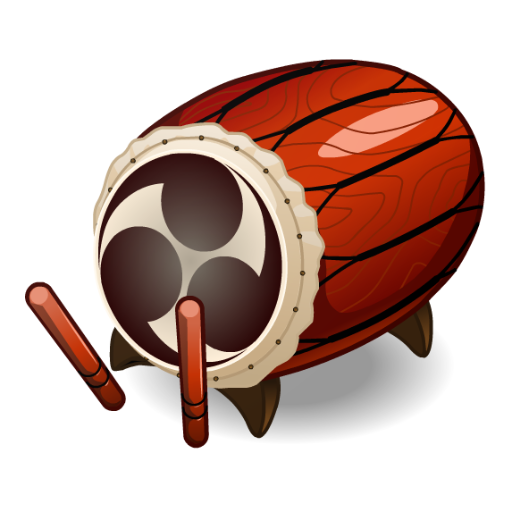
Taiko (太鼓), meaning "great drum" in Japanese, refers to a wide array of traditional percussion instruments deeply rooted in Japan’s history, spirituality, and communal life. While the term can technically encompass any drum in Japanese, internationally it most often denotes wadaiko (和太鼓, "Japanese drums") and the vibrant, ensemble-based performance art known as kumi-daiko (組太鼓, "drum ensemble").
Craftsmanship and Craft
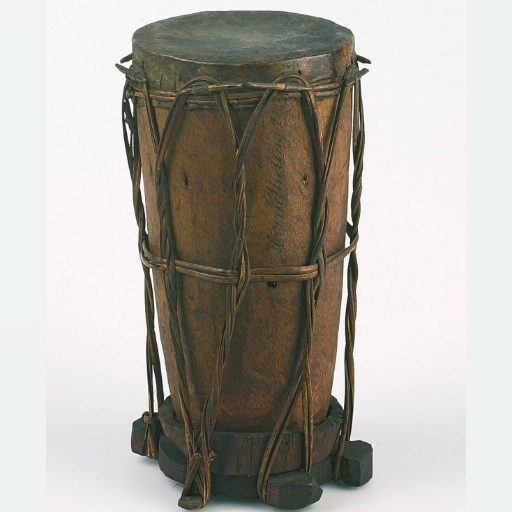
Creating a true taiko is a labor of love and tradition. Each drum is handcrafted with meticulous attention to detail. The body—typically made from a single piece of wood like keyaki (zelkova) or kiri (paulownia)—is hollowed out and shaped into a large, barrel-like form. The drumhead is made from animal skin, most commonly horsehide, cowhide, or deerhide, stretched tightly over the wooden shell using a system of wooden wedges and ropes. This process, known as tsukuri (construction), can take months to years, depending on the desired tone and tension. The drum's sound is not just heard—it is felt, resonating through the body and spirit of performers and audiences alike.
Origins and Evolution
Though taiko holds mythological significance—some legends trace its origin to the gods of Shinto, such as Amaterasu, who was said to have been lured from a cave by the rhythm of sacred drums—historical evidence points to external influences. Taiko likely arrived in Japan via Korea and China around the 6th century CE, as part of the broader transmission of Buddhist and court music. Some drum forms bear striking resemblance to instruments found in India and Central Asia, suggesting ancient trade and cultural exchange.
Archaeological discoveries from Japan’s Kofun period (c. 250–538 CE) reveal large earthenware drums and figurines depicting drummers, confirming taiko’s presence in early Japanese society. Over time, taiko evolved from ritual and military instruments—used to signal troop movements, mark ceremonies, and drive away evil spirits—into a central element of Noh, Kabuki, and Gagaku (imperial court music).
Modern Revival: Kumi-daiko
The 20th century witnessed a dramatic transformation of taiko from traditional ritual to a dynamic, theatrical art form. In 1951, Daihachi Oguchi founded the Ondekoza in northern Japan, pioneering kumi-daiko—a performance style featuring multiple drummers playing together in a powerful, synchronized ensemble.
Later, in 1981, Kodo was established by Seidō Nakamura and other former Ondekoza members. Kodo’s global tours brought taiko to international audiences, blending ancestral tradition with modern choreography, theatricality, and spiritual expression. Their performances are not merely musical—they are full-body experiences, combining intense rhythm, dramatic movements, and profound emotional resonance.
Regional Styles and Varieties
Across Japan, distinct regional styles have developed, each with unique tonal qualities, playing techniques, and cultural contexts:
- Hachijō-daiko (Hachijō Island): Known for its deep, meditative rhythms and connection to local festivals.
- Sukeroku-daiko (Tokyo): Expressive and theatrical, often used in urban performance settings.
- Kumano-daiko (Wakayama): Features powerful, earth-shaking beats tied to Shinto rituals.
- Koshien-daiko (Hyōgo): Famous for its precision and use in school and youth festivals.
Common instruments in kumi-daiko ensembles include:
- Nagadō-daiko – Large, standing drums providing deep, resonant bass tones.
- Shime-daiko – Smaller, tension-adjustable drums used for melodic and dynamic contrasts.
- Ō-daiko – The largest drum, often used as a foundational instrument.
- Kake-daiko – A medium-sized drum used for rhythmic calls and transitions.
Global Reach and Cultural Impact
Today, taiko is more than a Japanese art form—it is a global phenomenon. Ensembles exist in over 50 countries, including the United States, Canada, Australia, Europe, Taiwan, Brazil, South Africa, and New Zealand. These groups often adapt taiko to reflect local identities, blending traditional rhythms with indigenous, African, Latin, or jazz influences.
Taiko has also become a voice for social justice and cultural pride, particularly for Asian diasporic communities. In North America, for example, taiko groups have played key roles in Asian American civil rights movements, using rhythm as a tool for unity, resistance, and self-expression.
Performance Elements
A kumi-daiko performance is a multidimensional experience:
- Rhythm and Form: Complex polyrhythms, call-and-response patterns, and dynamic shifts.
- Stick Techniques: Varied grips (e.g., kakezuchi, tachinuki) and striking methods that produce a spectrum of tones.
- Movement and Expression: Full-body choreography that conveys narrative and emotion.
- Attire: Traditional garments like hachimaki (headbands), hakama (wide trousers), and kamishimo (robes), often dyed in bold, symbolic colors.
- Acoustics and Atmosphere: The sound is not just auditory—it vibrates through space and body, creating a shared, almost communal energy.
Many ensembles also incorporate vocal chants, flutes, shakuhachi, bells, and string instruments, enriching the sonic landscape and deepening the spiritual or narrative layer.
Conclusion
From ancient shrines to modern concert halls, from war drums to protest rhythms, taiko is more than music—it is a living tradition. It speaks of power, history, community, and transformation. Through every beat, taiko echoes across time and space, connecting people across cultures and generations. Whether performed in a remote mountain village or on a global stage, the sound of taiko remains a powerful testament to the enduring heartbeat of humanity.
Let me know if you'd like this adapted into a presentation, educational pamphlet, program note, or performance guide!















![Chubby Story [v1.4.2] (Localizations)](https://images.737c.com/uploads/85/1719638042667f981a5e9f8.jpg)