Epic Games CEO Tim Sweeney has outlined his vision for Fortnite's evolution, aiming to transform it from a battle royale-centric title into a versatile platform hosting diverse gaming experiences.
Years after the high-profile Big Bang event introduced Lego Fortnite, Harmonix’s Festival, and Psyonix’s Rocket Racing, Sweeney told IGN at Unreal Fest 2025 that Epic’s main hurdle is shifting public perception beyond Fortnite’s signature battle royale mode.
“Our biggest challenge is making players see Fortnite as the 'everything game'—a place where you can dive into all kinds of genres,” Sweeney said. “That’s going to take time, and we’ll need to keep rolling out compelling new gameplay styles.”
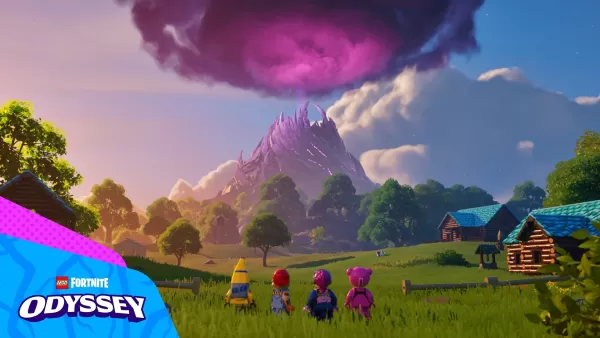
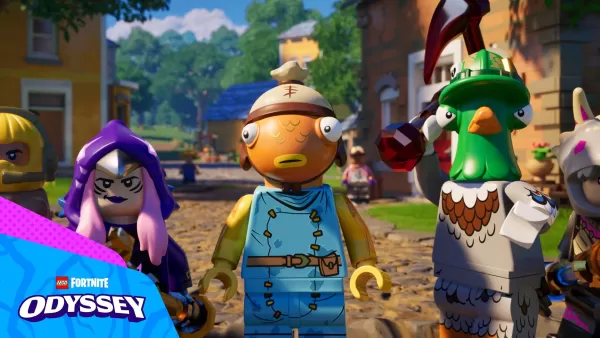
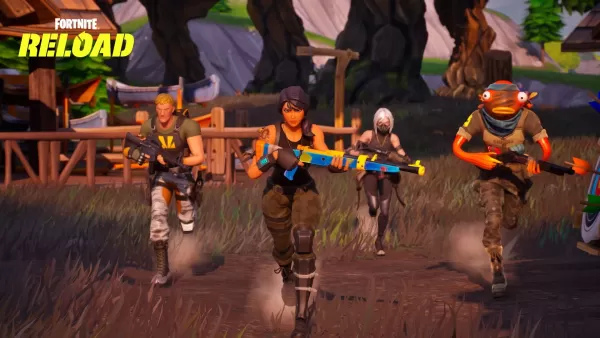
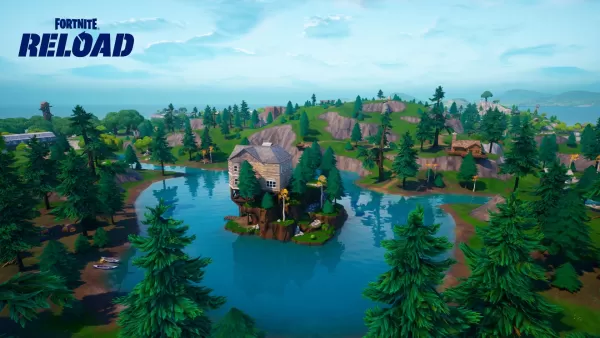
Progress has been gradual. Festival continues to draw major musicians for seasonal updates with fresh skins and tracks, while Lego Fortnite Odyssey maintains a loyal community. However, Rocket Racing has mostly been phased out, and newer modes like Reload have gained more traction.
In its recent State of Unreal presentation, Epic highlighted a milestone: a third-party Fortnite experience briefly surpassed Epic’s own core modes for the first time—a scenario once thought impossible. Still, Epic’s non-shooter offerings have yet to mirror that success, with player counts still trailing behind Battle Royale, Zero Build, and nostalgic hits like Fortnite OG.
When asked whether engagement with modes like Fortnite Festival and Lego Fortnite met expectations, Epic’s executive vice president Sax Persson replied, “We’re never fully satisfied.”
“Shooter modes have performed well,” Sweeney added. “But we haven’t quite unlocked the magic we envisioned for music-based gameplay. It’s interesting—we brought in Harmonix, the team behind Rock Band and Guitar Hero, and they’ve been exploring different takes on music gaming within Fortnite.
“They’ve enriched the game with Jam Tracks, which include not only songs but beat-matching features and playable instruments.”
He went on to note, “Music as a theme has thrived in Fortnite, just not necessarily in dedicated music games.”
Despite blockbuster in-game concerts that pull millions of players, Epic is still searching for a model that sustains that level of engagement.
“Music has been incredibly popular in Fortnite, but ironically, not in actual music games—more so in Battle Royale and other areas,” Sweeney observed. “Our next goal is scaling music gameplay in a meaningful way.
“Rock Band and Guitar Hero proved decades ago that a music game could attract tens of millions of monthly users. We believe there’s still room for that—a game fans return to night after night for concerts and competitive play.”
As for Lego, arguably the most integrated brand in Fortnite’s ecosystem and the leading non-shooter mode, Persson commented, “Lego is fascinating. We’re proud of its journey and the dedicated community it has built. But is it as big as we’d like? Not yet. We’d love to reach more Lego fans and show them what’s possible here.”
Fortnite Announced for Nintendo Switch 2 - Screenshots
View 11 Images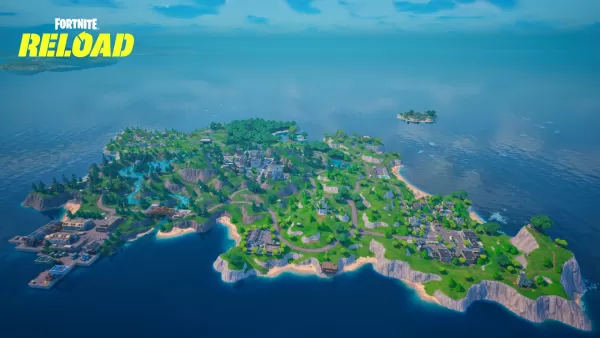

Again, it seems Epic is still up against the prevailing perception of Fortnite as primarily a battle royale game.
“What’s our biggest hurdle? Fortnite is Fortnite, and for years it’s been seen as a shooter,” said Persson. “That’s no longer the case. It’s the everything game—we just need to communicate that more effectively.”
According to Sweeney, part of the solution lies in empowering third-party developers through Fortnite’s UEFN editor. Currently, Epic uses more advanced tools than external creators, but that gap will close—eventually, even the battle royale updates will be built using the same publicly available tools.
“When we build new modes, we’re coding in C++ with the full Unreal Engine, while creators use Verse and limited APIs,” Sweeney explained.
“Our current focus is converging those two workflows. We want Epic and community developers using identical tools with the same capabilities. That’s what we’ve been driving toward these past two years.”
So why not just rest on the laurels of a massively popular battle royale? For Epic, Fortnite's longevity—and its revenue stream—depends on staying culturally relevant as player tastes evolve.
“We only truly succeed if Fortnite thrives as an ecosystem,” Sweeney concluded. “If a competitor creates something bigger and better than battle royale—which is very possible—we need to be ready.
“Look at how shooters have evolved, from simple deathmatches to massive, vehicle-filled modes. Battle Royale is the peak of the genre so far, thanks to Japanese cinema and Brendan Greene. But it’s not the final form. Technology will open up new possibilities we can’t yet imagine, sparking fresh ideas and unexpected creativity.”
It’s been an eventful week for Epic, which also discussed AI integration in Unreal Engine and Fortnite—including the talkative AI Darth Vader. We also heard from Epic and CD Projekt Red regarding the impressive Witcher 4 demo, and whether the final game will match that visual bar.






![Chubby Story [v1.4.2] (Localizations)](https://images.737c.com/uploads/85/1719638042667f981a5e9f8.jpg)